
Fashion Product Shoots in Lebanon: Flat-Lay, Hanging or On-Model? What to Expect and What It Costs
A fashion product shoot in Lebanon is really three shoots in one: packshots of every piece (flat-lay or hanging), on-model shots of the hero pieces, and, if you want one, a styled lookbook. At StudioLebanon a boutique can shoot a 30-piece drop in about 3 hours of product photography ($220) plus one model for an hour ($50), because we price by the hour and source models from $50 per hour per model.
This fashion product shoot guide is for boutiques, clothing labels, abaya and modest-wear brands, kidswear shops and accessory makers anywhere in Lebanon, from Beirut and the Metn to Jounieh and Keserwan. We already covered the creative brand shoot ideas and the image rules for each sales platform. This post goes deeper on the practical side: which format suits which garment, how to plan a collection drop versus a lookbook, what an on-model hour really buys you, and what to prepare before you walk into the studio.
We also see the demand in our own search data: over the last three months, “fashion product shoot lebanon” drew 64 impressions in our Google Search Console, and most people who click through to us do it from a phone. That is exactly how your customers will look at your clothes, so we plan every fashion shoot for a small vertical screen first.
Finding 1: A fashion shoot is priced by time and people, not by the garment
Claim: The cost of a fashion product shoot in Lebanon depends on three things: how many pieces, which formats, and how many model hours. The garment itself, whether a basic t-shirt or an embellished evening dress, changes very little.
Data: Most studios and agencies quote fashion work per image, per half day or per day, and very few publish their rates, so brands often only find out the real cost after they send a line sheet. Model fees are usually quoted separately again, and usage terms vary from one booking to the next. We think that makes planning harder than it needs to be, so we publish our prices.
Our own pricing is simple: product photography is $80 for the first hour and $70 for each additional hour (2 hours $150, 3 hours $220, 4 hours $290), with retouching, color correction, background removal and web-ready files included. Models are either yours, or we source them from $50 per hour per model, quoted before the shoot. We break the full pricing logic down in our product photography pricing guide.
Practical translation: Count your pieces and decide which ones deserve a model before you ask for a quote. That list is 80% of the price.
Finding 2: Pick the format per garment, not per brand
Claim: Flat-lay, hanging and on-model are not a style choice you make once for the whole brand. Each garment type has a format that shows it best, and most boutique collections need at least two.
Data: Here is the split we recommend when a fashion client sends us a line sheet. It is based on what each garment needs to show a buyer: shape, drape, fabric or fit.
| Garment type | Best packshot format | On-model needed? | Why |
|---|---|---|---|
| T-shirts, basics, kidswear | Flat-lay | Optional | Shape is simple; flat-lay is fast and consistent |
| Dresses, abayas, kaftans | Hanging | Yes, for hero pieces | Length and drape only read on a body or a hanger |
| Jackets, blazers, tailoring | Hanging | Yes | Shoulders and fit are the buying question |
| Denim and trousers | Flat-lay plus hanging back view | Yes, for fit | Buyers want rise, leg shape and length |
| Knitwear | Flat-lay with texture close-up | Optional | Fabric detail sells knits more than shape |
| Swimwear and activewear | Flat-lay | Yes | Cut and coverage are judged on a body |
| Bags, belts, scarves, jewelry | Tabletop product shot | Yes, one scale shot | Size is the most common doubt |
Practical translation: Sort your line sheet into these rows before the shoot. It tells the studio how to set up and in which order to shoot.
Finding 3: On-model hours are where fit questions get answered
Claim: On-model images are the most expensive part of a fashion shoot and the part that does the most selling, because they answer the question a flat-lay cannot: how will this look on me?
Data: Large-scale ecommerce testing by the Baymard Institute found that shoppers looking at apparel, accessories and cosmetics without a human model struggle to judge fit, length and scale, and end up less confident about buying. The same research notes that users actively study product images to work out size. For a boutique, that doubt usually ends as a WhatsApp message asking “how long is it?” or as a return.
In practice, a model hour is spent mostly on changes, not on shooting. As a planning estimate, budget around 8 to 10 minutes per look for simple ecommerce framing (front, side, back, one detail), and more for styled or moving shots. So one model for one hour covers roughly 6 to 8 looks. Our studio has a private changing room, which keeps changes fast. Two models for 2 hours starts at $200 in model fees on top of photography time.
Practical translation: Book model time for your hero pieces only, and have outfits steamed and hung in shooting order before the model arrives.
If you are casting for the first time, our guide on how to book models for a product shoot in Lebanon covers the booking steps, and our guide to hiring models explains the different types of talent and how usage rights work.
Finding 4: A collection drop, a boutique restock and a lookbook are three different shoot plans
Claim: Most fashion shoots in Lebanon go over time because the brand tries to do a fast ecommerce drop and a moody lookbook in the same session. They need different lighting, pace and styling.
Data: These are the three plans we see most often, with example costs at our published rates (sourced models start from $50 per hour per model). Your final quote depends on piece count, formats and model hours.
Plan A: the collection drop (online by launch day)
Goal: every piece, every color, cropped and consistent, live on your store or Instagram by the launch date. Example: a 30-piece drop shot hanging or flat-lay at 2 angles each (60 images) in about 2 hours, then 1 hour on-model with one model for 8 hero looks at 3 frames each (24 images). That is 3 hours of product photography ($220) plus 1 model hour ($50) = $270 for roughly 84 edited images, or about $3.20 per image. Delivery is 3 to 5 business days, with expedited delivery available, so book at least a week before launch.
Plan B: the boutique restock (small, frequent)
Goal: new arrivals shot every few weeks so the feed never goes quiet. A 1-hour session at $80 covers a small batch of flat-lays and hanging shots. The secret is using the same background, the same hanger and the same crop every time, so the new batch sits cleanly next to the old one. We explain that consistency system in our catalog photography guide.
Plan C: the lookbook (the season’s story)
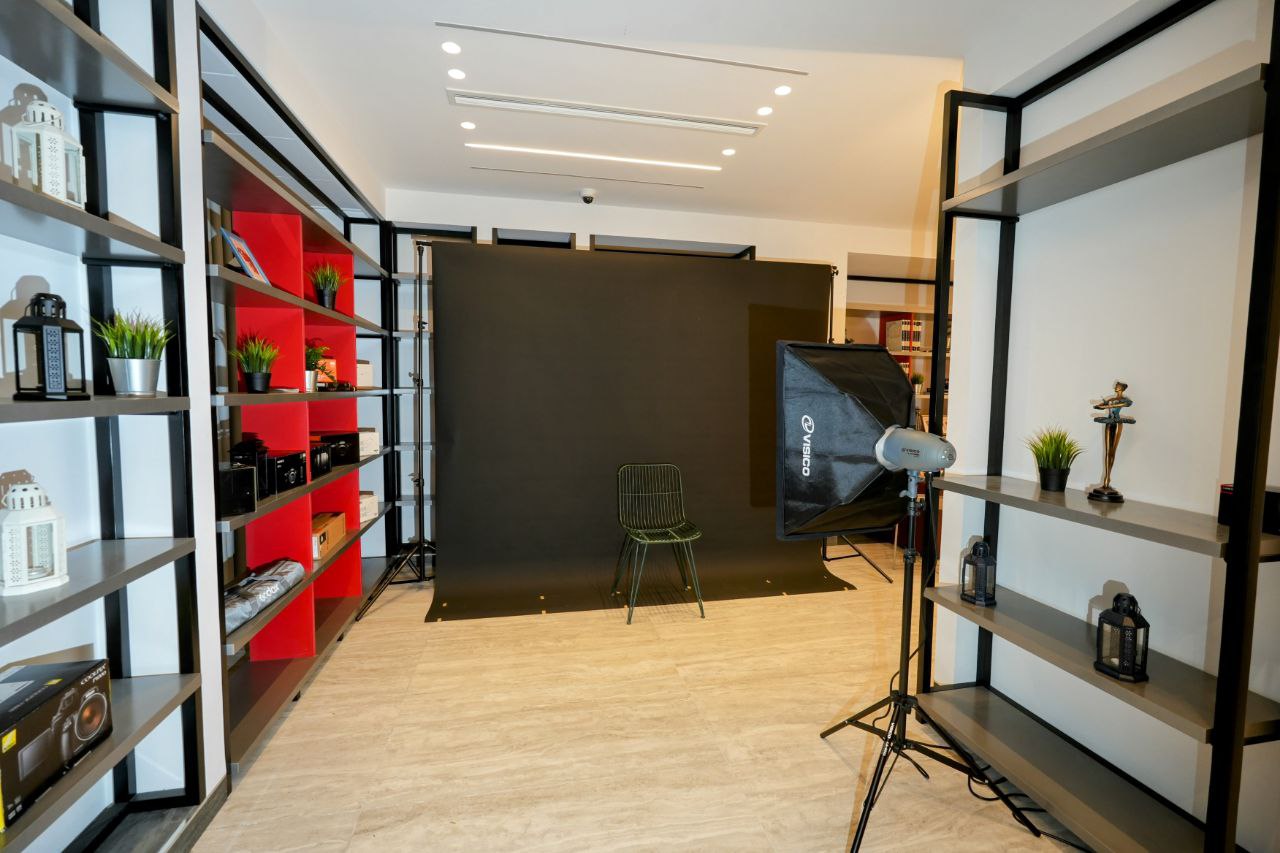
Goal: fewer, stronger images with a single mood, used for campaigns, the homepage banner and press. Lookbooks need styling, several models and time per set. Example: 4 hours of product photography ($290) plus 2 models for 4 hours ($400) comes to $690. If you have your own photographer and stylist, a full-day studio rental is $200 and includes the lighting kit, softboxes, backdrop support and changing room.
Practical translation: Decide which of the three plans you are booking. If you need two, book them as two sessions.
Finding 5: Preparation decides how many pieces you get through per hour
Claim: In a fashion shoot, the camera is rarely the bottleneck. Wrinkles, missing samples, price tags and unplanned styling eat the clock.
Data: The pieces that slow a session down are predictable. Here is the prep list we send to boutiques before a fashion product shoot:
- Steam everything the day before and transport garments on hangers, not folded in bags.
- Remove tags, stickers and security pins, or mark which ones must stay visible.
- Bring one sample size per style that fits your model, and note which sizes you actually stock.
- Make a numbered shot list: piece code, color, format (flat-lay, hanging, on-model) and angles needed.
- Group colorways together so the setup changes as little as possible.
- Pack styling basics: clips, pins, lint roller, tape, neutral shoes and underlayers for models.
- Bring accessories you sell, so on-model looks cross-sell bags, belts and jewelry.
Practical translation: Treat the day before the shoot as a prep day. Every minute of steaming at home saves a paid minute in the studio.
Finding 6: Color accuracy matters more in fashion than in almost any other product
Claim: A dress that arrives a different shade from the photo is a return and an unhappy review. Fabric color is the thing your photos must get right, even before they look beautiful.
Data: Baymard’s product page research also found that low-resolution images and weak zoom leave shoppers unable to check details, and fashion buyers zoom on fabric and stitching. That is why every fashion session we shoot includes color correction against the real garment, background removal where the store needs it, and files sized for web and for Shopify, Amazon or Etsy. For the exact image specs of each platform, see our ecommerce photography by platform guide rather than guessing.
One more thing we check on every colorway: the same garment in two colors should be shot with identical light, so the only difference a customer sees is the color itself.
Practical translation: Bring the real garment for every colorway you sell. Do not ask for one color to be “recolored” in editing unless the fabric truly is identical.
Myth: “Every piece needs to be shot on a model”
It sounds logical: on-model sells best, so put everything on a model. In practice, this is the fastest way to double a shoot budget without doubling sales. Basics, kidswear and restocked colors sell perfectly well from clean flat-lays or hanging shots, as long as there is one on-model image for the style somewhere on the page.
What actually matters is coverage and consistency: every piece shot, every color correct, every image cropped the same way, plus on-model shots for the pieces where fit is the buying question. A 30-piece drop with 8 on-model hero looks will outperform 10 pieces shot beautifully on a model while the other 20 wait for next month.
What to do this week
- Export your line sheet and tag each piece as flat-lay, hanging or on-model using the table above.
- Pick your 5 to 10 hero pieces for on-model shots and decide whether you bring your own model or want us to source one.
- Decide which plan you are booking: collection drop, boutique restock or lookbook.
- Estimate hours (roughly 15 to 20 pieces per hour for simple flat-lay or hanging shots, 6 to 8 on-model looks per model hour) and set your launch date at least a week after the shoot.
- Send your line sheet and hero list through our contact page for a written quote.
FAQ
How much does a fashion product shoot cost in Lebanon? It depends on piece count, formats and model hours. At StudioLebanon, product photography is $80 for the first hour and $70 for each extra hour, with editing included (2 hours $150, 3 hours $220, 4 hours $290), and models are an add-on from $50 per hour per model, quoted before the shoot. A 30-piece drop with one model hour comes to about $270.
Should I choose flat-lay, hanging or on-model photos? Use flat-lay for basics, knitwear and kidswear, hanging for dresses, abayas and tailoring, and on-model for hero pieces where fit, length or drape is the main question. Most boutiques need a mix, with on-model reserved for the pieces they lead with.
Can I bring my own model to the studio? Yes. You can bring your own model at no extra studio cost, or ask us to source one. Our sourced models start from $50 per hour per model, and we confirm the model fee in the quote before the shoot.
How fast will I get my fashion photos? Standard delivery is 3 to 5 business days, and expedited delivery is available. For a collection drop, we recommend shooting at least a week before your launch date so there is time to upload, write product copy and schedule posts.
Can you shoot a lookbook and an ecommerce drop on the same day? It is possible, but we usually advise against it. A drop needs speed and identical framing, while a lookbook needs styling and mood. Booking them as two sessions usually costs about the same and gives better results for both.
Where is the studio? We are in Zouk Mosbeh, Keserwan, a short drive north of Beirut, and we work with fashion brands from all over Lebanon. You can see our work in our portfolio.
Ready to plan your next drop?
Send us your line sheet, your hero pieces and your launch date, and we will send back a clear quote broken down into hours, formats and model time, with nothing hidden. Book through our contact page or on WhatsApp at +961 76 393 638, and see everything we shoot on our services page.