Arabic UGC works when the creator speaks the way your customer speaks. Our creators film in Lebanese Arabic, English and French, and Arabic videos are captioned in Arabic script. Lebanese Arabic travels well across the region for lifestyle and everyday products. For a Gulf campaign that needs a Khaleeji voice, a Lebanese creator is the wrong choice.
Key takeaways
- Pick the language from the goal, not the country. Many of our briefs are in English, even from Lebanese brands selling worldwide.
- Lebanese Arabic is widely understood across the Arab world, and it suits a conversational, lifestyle tone.
- Khaleeji campaigns need a Gulf creator. Gulf audiences in high-spend categories expect their own dialect.
- Arabic captions go in Arabic script, not Arabizi, so the video reads cleanly on screen.
Our 25 UGC creators deliver over 80 videos a month, in three languages. Brands outside Lebanon send us products and briefs, and we brief the creators in Arabic, English or French. This guide covers how to choose the language, how to brief Arabic UGC from abroad, and when to look elsewhere. If you already know the language you need, brief our UGC creators.
Finding 1: Many of our briefs are in English
The language follows the brand’s goal. In our briefs, English comes up often: from international brands, and from Lebanese brands that sell worldwide. Lebanese Arabic and French are requested too, depending on who the brand wants to reach.
That surprises brands that assume “Lebanon” means “Arabic”. A Lebanese skincare brand selling across the region may want Lebanese Arabic for home and English for its export store. A guesthouse may want English for visitors from abroad and Arabic for weekenders from Beirut.
Practical translation: start the brief with who is watching, not where you are. Then pick the language that customer scrolls in.
Finding 2: Lebanese Arabic travels, with limits
Localization specialists at Translated describe Levantine Arabic, the family Lebanese belongs to, as “widely understood due to its prominence in regional media and entertainment”. They also note that it offers a conversational tone that suits lifestyle and everyday consumer brands.
The same source sets the limits:
- Gulf audiences in high-purchasing-power markets, especially luxury retail, automotive and consumer electronics, “expect localization that reflects their specific dialect”.
- North African (Maghrebi) dialects are “largely unintelligible to eastern Arabic speakers”, so Moroccan or Algerian campaigns need their own voice.
- Formal, compliance-heavy content (finance, healthcare, B2B software) defaults to Modern Standard Arabic, which feels stiff in a creator video.
Practical translation: a Lebanese creator is a strong fit for Lebanon, the Levant and broad regional campaigns in lifestyle, beauty, food and hospitality. For a Saudi or Emirati luxury launch, hire a creator from that market.
Finding 3: Which language for which job
| Your goal | Best language | Why |
|---|---|---|
| Customers in Lebanon | Lebanese Arabic, often mixed with English or French | It is how people here actually talk |
| A regional lifestyle or beauty campaign | Lebanese Arabic or English | Levantine is widely understood; English reaches expats |
| An international store or app | English | The language of the ad account’s widest audience |
| French-speaking markets or a francophone crowd | French | Our creators also film in French |
| A Gulf luxury or high-ticket launch | Khaleeji, from a Gulf creator | Gulf buyers expect their own dialect |
| Formal or regulated content | Modern Standard Arabic, studio-produced | UGC style is the wrong format here |
Mixing languages is normal in Lebanon: a creator may open in Arabic and name the product in English. Say in the brief whether you want one language only or the natural mix.
Practical translation: if you need two markets, order two videos, one per language. One video trying to speak to everyone usually lands with no one.
Finding 4: Captions in Arabic script, not Arabizi
We caption Arabic videos in Arabic script. Arabizi (Arabic written in Latin letters and numbers, like “3am”) is common in chats but reads poorly as on-screen text, and it varies from person to person.
Captions matter more than most brands think. TikTok’s own creative guidance reports that 40% of the auction ads with the highest view-through rate use text overlays (TikTok for Business). Arabic script runs right to left, so the editor checks line breaks, numbers and any English product names inside the Arabic line.
Practical translation: send product names, prices and offers in writing, in both languages if they appear on screen. That’s where caption mistakes happen.
Finding 5: Briefing Arabic UGC from abroad
Brands outside Lebanon can send products of any kind: electronics, supplements, skincare and more. You don’t need to be here. A remote brief works like this:
- You send the brief and your brand kit, plus the product.
- We match the creator by audience, age and look, and by the language the brief needs. It’s a study, not a random pick.
- The creator works from your guideline, and we help finalise the script so it sounds natural in their dialect, not translated.
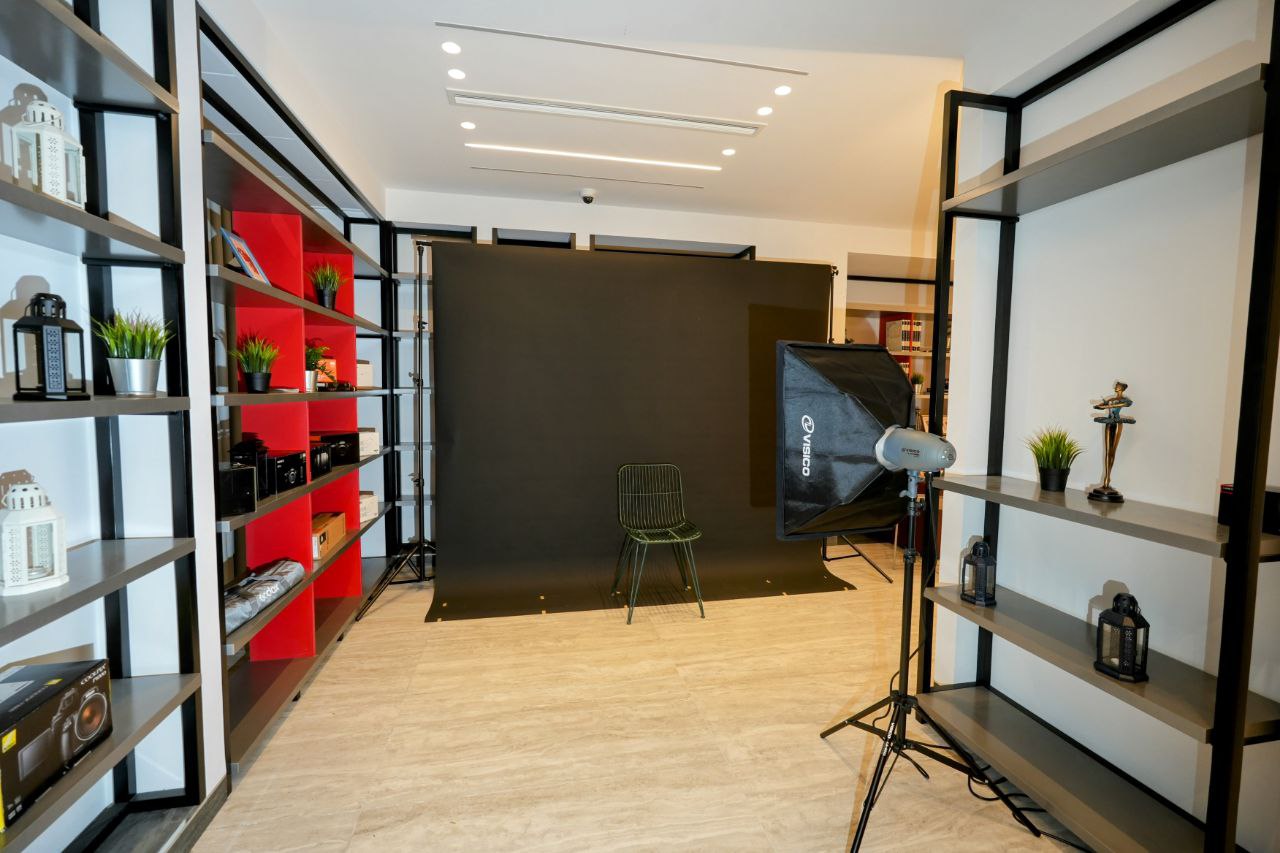
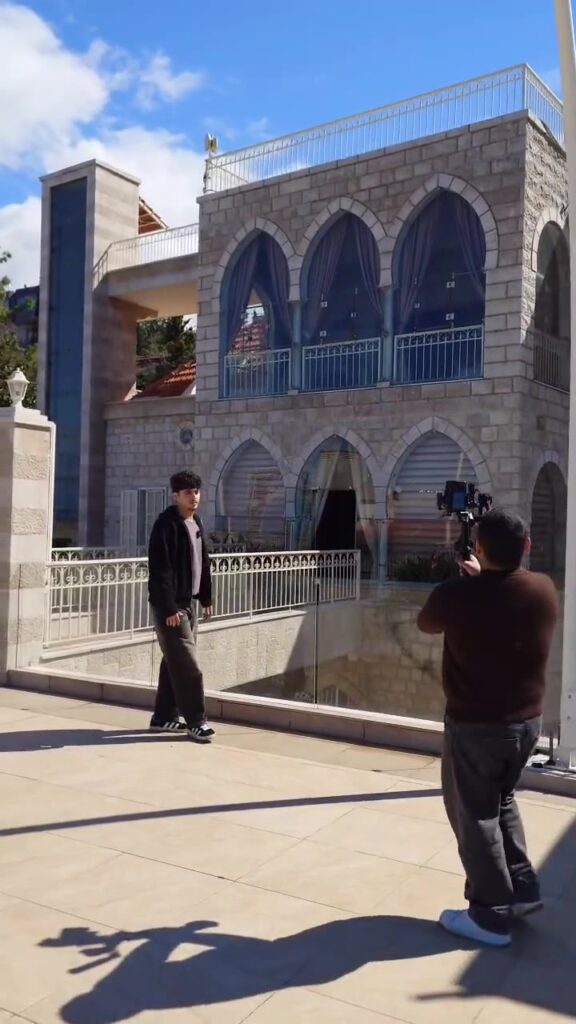
- The video is filmed: on the creator’s phone, at their place, or in our Zouk Mosbeh studio.
- You get a captioned edit within 3 days, with one round of revisions and paid-ads usage rights.
Payment is held safely: you pay us upfront, and the creator is paid only once the work is fully delivered.
Practical translation: write the script points in English if that’s easier for you. Ask for the final wording in the creator’s own dialect, not a word-for-word translation.
How to check an Arabic UGC video before you approve it
You get one round of revisions, so review the video against a short checklist and send every change in one message:
- The dialect. Does it sound like your customer? If you asked for Lebanese Arabic only, flag any line that switches to English or French.
- Names and numbers. Is the product name said and written correctly? Prices and percentages are where right-to-left captions go wrong.
- Caption spelling. Ask an Arabic-speaking colleague to read the captions once, without sound.
- The hook. Is the product or the message there in the first three seconds?
- The must-not-say list. Check that no restricted claim slipped in, especially for health and skincare products.
- The ending. Does the video end on the product, the offer or the action you want?
If the video will run in two markets, review each language version separately. A line that sounds natural in Beirut can land differently in Amman or Dubai, so if you have a customer in the target market, ask them to watch it too.
Practical translation: put the review in one message, with timestamps (“0:04, the product name is mispronounced”). Clear notes make the one revision count.
Three myths about Arabic UGC
Myth 1: “Arabic content has to be in Modern Standard Arabic.” For ads that should feel like a friend’s recommendation, MSA sounds like a news bulletin. Translated’s guidance is the same: dialect is “the authentic voice of the user”.
Myth 2: “One Arabic video works everywhere.” Lebanese Arabic travels well, but a Gulf luxury audience or a North African audience needs its own voice.
Myth 3: “English UGC from Lebanon sounds foreign.” Our creators film in English as well as Arabic and French, and English is one of the languages brands ask us for most. For an international store, English UGC from Lebanon can be exactly the right fit.
What to do this week
- Write down who watches the ad: country, age and the language they scroll in.
- Pick one language per video, or say clearly that you want the natural Arabic-English mix.
- List the words that must appear exactly: product name, offer, price, in both languages if needed.
- Plan to ship the product early. Brands outside Lebanon can send products of any kind.
- Send your brief on our UGC content creation page, starting from $140 per video, depending on the creator. Our guide to UGC cost in Lebanon explains what changes the price.
Arabic UGC: questions
Which languages do your UGC creators film in?
Lebanese Arabic, English and French. Many briefs are in English, for international brands or Lebanese brands selling worldwide.
Can a Lebanese creator make UGC for Saudi Arabia or the UAE?
For lifestyle and broad regional campaigns, often yes, because Lebanese Arabic is widely understood. For a Gulf luxury or high-ticket campaign that needs a Khaleeji voice, hire a Gulf creator.
Are Arabic captions in Arabic script or Arabizi?
Arabic script. It reads cleanly on screen and looks right to Arabic-speaking customers.
Can I brief Arabic UGC from outside Lebanon?
Yes. Send the product and the brief. We match the creator, help finalise the script, and deliver a captioned video within 3 days.
How much does Arabic UGC cost?
Starting from $140 per video, depending on the creator. Our guide to UGC cost in Lebanon explains what changes the price.
Written by the StudioLebanon team: a photo, video and UGC studio in Zouk Mosbeh, Lebanon, working with 25 UGC creators and delivering over 80 UGC videos a month.